Resilient Minnetonka

Share Resilient Minnetonka on Facebook Share Resilient Minnetonka on X (formerly Twitter) Share Resilient Minnetonka on Linkedin Email Resilient Minnetonka link
Resilient Minnetonka program logo

When it comes to our community and the natural environment, few ideas are more important than resilience. And few are as urgent. The Resilient Minnetonka program offers education and resources, technical assistance and incentives to help residents:

  • Identify goals for resilience in their yards
  • Overcome barriers
  • Seek funding to implement those goals.

To learn more...

  1. Explore the Resilient Minnetonka orientation module to learn more about the program, see how you might participate, and get inspiration for projects. Applications are accepted through the module.
  2. Stay informed about programs and opportunities from the city's Natural Resources division and our partners.
    1. Subscribe to the monthly Natural Resources e-bulletin. (Look for the blue Subscribe box.)
    2. Read our Ripple Effect blog.
  3. Learn! Visit the Workshops & Resources section of this website, below, to find upcoming events, explore online learning modules and more.
  4. Volunteer! Especially if you're trying to tackle invasive plants in your home landscape, volunteering can be a great way to learn skills while making a difference in our community. Volunteer events are typically held in spring and fall; check the Natural Resources Events webpage for dates, locations and registration.


When it comes to our community and the natural environment, few ideas are more important than resilience. And few are as urgent. The Resilient Minnetonka program offers education and resources, technical assistance and incentives to help residents:

  • Identify goals for resilience in their yards
  • Overcome barriers
  • Seek funding to implement those goals.

To learn more...

  1. Explore the Resilient Minnetonka orientation module to learn more about the program, see how you might participate, and get inspiration for projects. Applications are accepted through the module.
  2. Stay informed about programs and opportunities from the city's Natural Resources division and our partners.
    1. Subscribe to the monthly Natural Resources e-bulletin. (Look for the blue Subscribe box.)
    2. Read our Ripple Effect blog.
  3. Learn! Visit the Workshops & Resources section of this website, below, to find upcoming events, explore online learning modules and more.
  4. Volunteer! Especially if you're trying to tackle invasive plants in your home landscape, volunteering can be a great way to learn skills while making a difference in our community. Volunteer events are typically held in spring and fall; check the Natural Resources Events webpage for dates, locations and registration.


  • Got Buckthorn?

    Share Got Buckthorn? on Facebook Share Got Buckthorn? on X (formerly Twitter) Share Got Buckthorn? on Linkedin Email Got Buckthorn? link

    We want you to be successful in getting rid of this widespread invasive plant. So let’s get real: You’ll need a good plan and a commitment to long-term maintenance.

    Why bother? Effective buckthorn can lead to:
    • A tidier, more lovely home landscape
    • A more complex food web that supports diverse plants, pollinators and wildlife
    • Healthier soils that absorb and hold more water
    • Less erosion from slopes into water bodies
    • And much more!

    Here's the strategy we recommend.

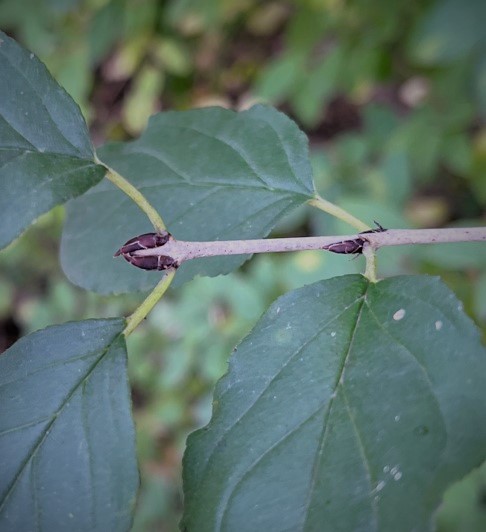
    1. Learn to identify buckthorn and distinguish it from valuable native species like gray dogwood, nannyberry, serviceberry, choke cherry or American plum.
    2. Learn best practices to remove buckthorn. You can use any - or all! - of these approaches to learn and practice the most effective strategies and timing for success.
    3. Once you have the knowledge, make a plan.
      1. Know where you need to work. Use an aerial map or other method to mark your buckthorn problem areas, and take it on bit by bit. Removing too much at once can become overwhelming to maintain.
      2. Select and use the right timing and method, based on where the buckthorn grows, whether you are willing to use herbicide, and other factors.
      3. Are you removing buckthorn on a slope? You will want to be especially diligent to prevent erosion down the slope, which can pull seed away from where it’s needed or impact water quality. Consider these suggestions:
        • Use erosion control blankets when seeding—these weed-free straw mats are a good investment to hold the seed in place as plant germinate and become established. Blankets are available from MNL Corp. (which manages the city’s annual native plant & seed sale) and elsewhere.
        • Install erosion control logs at the bottom of the slope to keep soil from eroding into the water until the new vegetation is established.
      4. Are you removing buckthorn near a wetland, stream or lake?
        • Be sure to use an aquatic-approved herbicide (as described in the buckthorn learning module).
        • Avoid using any heavy equipment that would disturb the soil (which is quite fragile in wetlands).
        • Fell larger buckthorn so it falls away from the wetland (again, to reduce soil disturbance).
        • Apply a buckthorn replacement seed mix as soon as possible, and maintain over the long-term as described below, to prevent erosion.
      5. Properly manage the debris. You can take it to the city's brush drop-off site or look at criteria for our residential buckthorn pick-up service.
      6. Set and keep goals for maintenance and revegetation of your buckthorn control area(s).
        • As soon as possible after removing buckthorn, seed the area with a Buckthorn Replacement seed mix of fast-growing native shortgrasses.
        • Over the first two years, monitor your control area regularly to find and cut buckthorn resprouts and other invasive plants or weeds.
        • After two years: Cut or mow the area short. Rake out the thatch and leaves. Overseed the area with a seed mix that includes native wildflowers and grasses. These plants form deep roots, which can really fight back invasive species and other weedy growth over the long term. At the same time, they will help improve soil health, control erosion and increase water absorption into the soil.
        • Over time, consider planting in some shrubs or trees to replace some of the ecological functions and structure lost when buckthorn spread. Check out this list for best replacement options, and watch for the city’s annual tree sale to help with purchasing.
        • Enjoy your more resilient home landscape!

    Would technical assistance or funding help you achieve your goals?

    You might be eligible for technical assistance through the city or your watershed to help you identify and set goals for action for resilience on your property. Technical assistance can lead to funding options to help you implement your goals. Visit the Resilient Minnetonka orientation module to learn more.

    We want you to be successful in getting rid of this widespread invasive plant. So let’s get real: You’ll need a good plan and a commitment to long-term maintenance.

    Why bother? Effective buckthorn can lead to:

    • A tidier, more lovely home landscape
    • A more complex food web that supports diverse plants, pollinators and wildlife
    • Healthier soils that absorb and hold more water
    • Less erosion from slopes into water bodies
    • And much more!

    Here's the strategy we recommend.

    1. Learn to identify buckthorn and distinguish it from valuable native species like gray dogwood, nannyberry, serviceberry, choke cherry or American plum.
    2. Learn best practices to remove buckthorn. You can use any - or all! - of these approaches to learn and practice the most effective strategies and timing for success.
    3. Once you have the knowledge, make a plan.
      1. Know where you need to work. Use an aerial map or other method to mark your buckthorn problem areas, and take it on bit by bit. Removing too much at once can become overwhelming to maintain.
      2. Select and use the right timing and method, based on where the buckthorn grows, whether you are willing to use herbicide, and other factors.
      3. Are you removing buckthorn on a slope? You will want to be especially diligent to prevent erosion down the slope, which can pull seed away from where it’s needed or impact water quality. Consider these suggestions:
        • Use erosion control blankets when seeding—these weed-free straw mats are a good investment to hold the seed in place as plant germinate and become established. Blankets are available from MNL Corp. (which manages the city’s annual native plant & seed sale) and elsewhere.
        • Install erosion control logs at the bottom of the slope to keep soil from eroding into the water until the new vegetation is established.
      4. Are you removing buckthorn near a wetland, stream or lake?
        • Be sure to use an aquatic-approved herbicide (as described in the buckthorn learning module).
        • Avoid using any heavy equipment that would disturb the soil (which is quite fragile in wetlands).
        • Fell larger buckthorn so it falls away from the wetland (again, to reduce soil disturbance).
        • Apply a buckthorn replacement seed mix as soon as possible, and maintain over the long-term as described below, to prevent erosion.
      5. Properly manage the debris. You can take it to the city's brush drop-off site or look at criteria for our residential buckthorn pick-up service.
      6. Set and keep goals for maintenance and revegetation of your buckthorn control area(s).
        • As soon as possible after removing buckthorn, seed the area with a Buckthorn Replacement seed mix of fast-growing native shortgrasses.
        • Over the first two years, monitor your control area regularly to find and cut buckthorn resprouts and other invasive plants or weeds.
        • After two years: Cut or mow the area short. Rake out the thatch and leaves. Overseed the area with a seed mix that includes native wildflowers and grasses. These plants form deep roots, which can really fight back invasive species and other weedy growth over the long term. At the same time, they will help improve soil health, control erosion and increase water absorption into the soil.
        • Over time, consider planting in some shrubs or trees to replace some of the ecological functions and structure lost when buckthorn spread. Check out this list for best replacement options, and watch for the city’s annual tree sale to help with purchasing.
        • Enjoy your more resilient home landscape!

    Would technical assistance or funding help you achieve your goals?

    You might be eligible for technical assistance through the city or your watershed to help you identify and set goals for action for resilience on your property. Technical assistance can lead to funding options to help you implement your goals. Visit the Resilient Minnetonka orientation module to learn more.

  • How to dispose of buckthorn

    Share How to dispose of buckthorn on Facebook Share How to dispose of buckthorn on X (formerly Twitter) Share How to dispose of buckthorn on Linkedin Email How to dispose of buckthorn link

    Proper disposal is an important step in controlling invasive buckthorn. But residents often tell us they aren't sure how to do this. Here are two options:

    1. Take debris to the city's brush drop-off site at Public Works. It's open seasonally; check the website for days and times.
    2. Request a pick-up through the Resilient Minnetonka program. See below for details about this service.


    If you're interested in residential buckthorn pick-up, please read through the following section.

    What you need to know about this service:

    1. We cannot provide residential buckthorn pick-up on demand. Resilient Minnetonka participants submit a request, and we schedule with a contractor to provide several pick-up dates through the year.
    2. You must meet all pick-up criteria listed in the section below.
    3. Before you remove any buckthorn, explore our buckthorn learning module to learn the best strategies and timing for best success.
      • Please note: We do not recommend pulling buckthorn up by the roots (except for seedlings), and roots are not accepted at the brush drop-off or in the pick-up.
    4. A "load" of buckthorn debris is 10 cubic yards (see item 5, below). We can sometimes pick up more (with prior staff approval), or you might be eligible for a second pick-up at another time.
    5. Only remove buckthorn on your own property – not on city property or private property owned by others.

    Buckthorn pick-up criteria:

    • Who is eligible? Any participant of the city's Resilient Minnetonka program can request residential buckthorn pick-up service.
      • If you aren't yet a Resilient Minnetonka participant, see the bottom of the page for more information.
    • What kind of debris is accepted?
      • We accept buckthorn stems and branches, ideally cut to lengths of six feet or smaller.
      • Roots, or debris from other plants, are not eligible for pick-up.
    • How much buckthorn debris can be picked up?
      • The volume of buckthorn is measure in cubic yards. For our pick-up service, one load = 10 cubic yards. That's a tidily stacked pile measuring roughly 15 ft. long x 6 ft wide x 3 ft high.
      • Larger piles may be accepted with prior staff approval, or you might be eligible for a second pick-up at a later date.
      • If you have only a fraction of a load, let staff know that in your application.
    • How does the pick-up work?
      • Start by confirming that you have a spot suitable for pick-up. Our contractor uses a garbage truck-sized vehicle to drive up and grab the material, which requires the following:
        • The debris pile must be placed along a public roadway, so it sits within 10 feet of the curb.
        • Ensure there are obstructions between the pile and the roadway (such as fences, standing vegetation, etc.)
        • Notify staff in advance if there are low-hanging utility lines over the spot.
      • Important note: Don't stack buckthorn along the street until you've (1) applied for pick-up service and (2) been scheduled for a pick-up date. To ensure you're in compliance with city code, you will need to store buckthorn out of public view on your property until then.
      • Once your pick-up date is scheduled, you'll receive guidance on how to build a buckthorn pile for pick-up.

    If you'd like to apply for pick-up:

    Are you already participating in the Resilient Minnetonka program? Complete this request form. The Resilient Minnetonka staff contact will reach out to discuss next steps for buckthorn pick-up.

    If you are not a current Resilient Minnetonka participant, please start by visiting that program's orientation module to learn more and apply. The staff contact will get back to you about a variety of possible next steps.

    Proper disposal is an important step in controlling invasive buckthorn. But residents often tell us they aren't sure how to do this. Here are two options:

    1. Take debris to the city's brush drop-off site at Public Works. It's open seasonally; check the website for days and times.
    2. Request a pick-up through the Resilient Minnetonka program. See below for details about this service.


    If you're interested in residential buckthorn pick-up, please read through the following section.

    What you need to know about this service:

    1. We cannot provide residential buckthorn pick-up on demand. Resilient Minnetonka participants submit a request, and we schedule with a contractor to provide several pick-up dates through the year.
    2. You must meet all pick-up criteria listed in the section below.
    3. Before you remove any buckthorn, explore our buckthorn learning module to learn the best strategies and timing for best success.
      • Please note: We do not recommend pulling buckthorn up by the roots (except for seedlings), and roots are not accepted at the brush drop-off or in the pick-up.
    4. A "load" of buckthorn debris is 10 cubic yards (see item 5, below). We can sometimes pick up more (with prior staff approval), or you might be eligible for a second pick-up at another time.
    5. Only remove buckthorn on your own property – not on city property or private property owned by others.

    Buckthorn pick-up criteria:

    • Who is eligible? Any participant of the city's Resilient Minnetonka program can request residential buckthorn pick-up service.
      • If you aren't yet a Resilient Minnetonka participant, see the bottom of the page for more information.
    • What kind of debris is accepted?
      • We accept buckthorn stems and branches, ideally cut to lengths of six feet or smaller.
      • Roots, or debris from other plants, are not eligible for pick-up.
    • How much buckthorn debris can be picked up?
      • The volume of buckthorn is measure in cubic yards. For our pick-up service, one load = 10 cubic yards. That's a tidily stacked pile measuring roughly 15 ft. long x 6 ft wide x 3 ft high.
      • Larger piles may be accepted with prior staff approval, or you might be eligible for a second pick-up at a later date.
      • If you have only a fraction of a load, let staff know that in your application.
    • How does the pick-up work?
      • Start by confirming that you have a spot suitable for pick-up. Our contractor uses a garbage truck-sized vehicle to drive up and grab the material, which requires the following:
        • The debris pile must be placed along a public roadway, so it sits within 10 feet of the curb.
        • Ensure there are obstructions between the pile and the roadway (such as fences, standing vegetation, etc.)
        • Notify staff in advance if there are low-hanging utility lines over the spot.
      • Important note: Don't stack buckthorn along the street until you've (1) applied for pick-up service and (2) been scheduled for a pick-up date. To ensure you're in compliance with city code, you will need to store buckthorn out of public view on your property until then.
      • Once your pick-up date is scheduled, you'll receive guidance on how to build a buckthorn pile for pick-up.

    If you'd like to apply for pick-up:

    Are you already participating in the Resilient Minnetonka program? Complete this request form. The Resilient Minnetonka staff contact will reach out to discuss next steps for buckthorn pick-up.

    If you are not a current Resilient Minnetonka participant, please start by visiting that program's orientation module to learn more and apply. The staff contact will get back to you about a variety of possible next steps.

  • Workshops & Learning Resources

    Share Workshops & Learning Resources on Facebook Share Workshops & Learning Resources on X (formerly Twitter) Share Workshops & Learning Resources on Linkedin Email Workshops & Learning Resources link

    This list includes upcoming in-person and virtual workshops, as well as resources you can explore at your convenience for deeper learning.

    Community Inclusiveness

    The city strives to make events and resources as inclusive as possible. Contact Christine at cpetersen@minnetonkamn.gov or 952-988-8442 to discuss options!

    In general:

    • Sign language interpretation or language translation can be arranged in advance for in-person workshops, presentations and other events.
    • Workshop videos are posted on YouTube, which offers closed captioning in English and many other languages.
    • Online learning modules are designed to be digitally accessible with screen readers.
    • Outdoor programs, such as walkshops and volunteer events, aren't always wheelchair accessible. But we'll indicate when they are - refer to each event listing for that information.


    Upcoming In-Person Events

    Click to see details and register. Advance registration is required for all events.

    • Managing Buckthorn workshop - offered in September, October and March
    • Garlic Mustard workshop - offered in May


    Learning Modules & Videos

    Buckthorn control:

    Garlic mustard control:

    Designing and installing native plants:

    Rain gardens and shoreline buffers:

    Tree care and maintenance:


    Another option... Volunteer with us!

    Volunteering is a great way to learn new skills you can apply at home, while helping the community and meeting new people. Volunteer events typically take place between April and November. Visit our website for upcoming dates, locations and registration.

    This list includes upcoming in-person and virtual workshops, as well as resources you can explore at your convenience for deeper learning.

    Community Inclusiveness

    The city strives to make events and resources as inclusive as possible. Contact Christine at cpetersen@minnetonkamn.gov or 952-988-8442 to discuss options!

    In general:

    • Sign language interpretation or language translation can be arranged in advance for in-person workshops, presentations and other events.
    • Workshop videos are posted on YouTube, which offers closed captioning in English and many other languages.
    • Online learning modules are designed to be digitally accessible with screen readers.
    • Outdoor programs, such as walkshops and volunteer events, aren't always wheelchair accessible. But we'll indicate when they are - refer to each event listing for that information.


    Upcoming In-Person Events

    Click to see details and register. Advance registration is required for all events.

    • Managing Buckthorn workshop - offered in September, October and March
    • Garlic Mustard workshop - offered in May


    Learning Modules & Videos

    Buckthorn control:

    Garlic mustard control:

    Designing and installing native plants:

    Rain gardens and shoreline buffers:

    Tree care and maintenance:


    Another option... Volunteer with us!

    Volunteering is a great way to learn new skills you can apply at home, while helping the community and meeting new people. Volunteer events typically take place between April and November. Visit our website for upcoming dates, locations and registration.

  • Resource Library

    Share Resource Library on Facebook Share Resource Library on X (formerly Twitter) Share Resource Library on Linkedin Email Resource Library link

    Plants and soil are the beginning of food webs in our yards and natural areas – they are the source of nutrition for animals, from pollinators and other invertebrates to birds and diverse wildlife, in all their life stages. Choosing the right plants will help your home landscape thrive.

    Important!


    Map your project area:


    Choose plants for your design:

    “Right plant, right place” is a popular gardening tip – and for good reason! Each species is adapted for particular growing conditions of light, soil type, moisture and space. Instead of choosing plants and then finding a space for them, start with the space and pick plants most likely to thrive there.


    Purchase plants:

    • Minnetonka's online native plant and seed sale is open annually Apr.-Sept.
      • This is a good option if you are planning a small project. Minnetonka households are eligible for a discount coupon (one per household, while funding lasts).
      • Do you anticipate doing one or more projects that involve more than a small planting? Before you purchase anything, explore the Resilient Minnetonka orientation module to see how this program might help you with layers of technical assistance and funding options.
    • If you purchase from another vendor or nursery, be sure to ask if their seeds and plants are produced without pesticides and other chemicals that may be harmful to pollinators.


    Hire a contractor

    • Wild Ones has a list of nurseries and landscaping contractors - email city staff at cpetersen@minnetonkamn.gov to request a copy.


    Plants and soil are the beginning of food webs in our yards and natural areas – they are the source of nutrition for animals, from pollinators and other invertebrates to birds and diverse wildlife, in all their life stages. Choosing the right plants will help your home landscape thrive.

    Important!


    Map your project area:


    Choose plants for your design:

    “Right plant, right place” is a popular gardening tip – and for good reason! Each species is adapted for particular growing conditions of light, soil type, moisture and space. Instead of choosing plants and then finding a space for them, start with the space and pick plants most likely to thrive there.


    Purchase plants:

    • Minnetonka's online native plant and seed sale is open annually Apr.-Sept.
      • This is a good option if you are planning a small project. Minnetonka households are eligible for a discount coupon (one per household, while funding lasts).
      • Do you anticipate doing one or more projects that involve more than a small planting? Before you purchase anything, explore the Resilient Minnetonka orientation module to see how this program might help you with layers of technical assistance and funding options.
    • If you purchase from another vendor or nursery, be sure to ask if their seeds and plants are produced without pesticides and other chemicals that may be harmful to pollinators.


    Hire a contractor

    • Wild Ones has a list of nurseries and landscaping contractors - email city staff at cpetersen@minnetonkamn.gov to request a copy.


  • Sales & Incentives

    Share Sales & Incentives on Facebook Share Sales & Incentives on X (formerly Twitter) Share Sales & Incentives on Linkedin Email Sales & Incentives link

    Incentives are options that help to reduce the cost of your actions for resilience.

    • Native Plant & Seed Sale runs Apr.-Sept.

      Starting May 18, discount coupons will be available to Minnetonka residents (limit one per household, while funding lasts). Please visit the sale page then, to learn how you can request $50 off your purchase. This sale is offered online through our partners at MNL (a Minnesota-based native plant nursery). You'll find a wide selection of plant plugs and seed mixes for a variety of growing conditions. Pricing is discounted from retail for Minnetonka residents, and pricing for plant trays includes shipping. Discount coupons are available to Minnetonka residents, while funding lasts. Visit sale website for more information.

    • Compost Bin Sale

    Begin making soil from your kitchen and yard waste. Compost bins are offered at a reduce price (compared to retail). To request an information sheet and pricing, contact Christine at 952-988-8442 or cpetersen@minnetonkamn.gov.

    Diverse shrubs and trees are available at a reduced price through this lottery-based sale, which takes place every spring. Watch the Minnetonka Memo for updates, or subscribe to the Natural Resources monthly e-bulletin.

    Incentives are options that help to reduce the cost of your actions for resilience.

    • Native Plant & Seed Sale runs Apr.-Sept.

      Starting May 18, discount coupons will be available to Minnetonka residents (limit one per household, while funding lasts). Please visit the sale page then, to learn how you can request $50 off your purchase. This sale is offered online through our partners at MNL (a Minnesota-based native plant nursery). You'll find a wide selection of plant plugs and seed mixes for a variety of growing conditions. Pricing is discounted from retail for Minnetonka residents, and pricing for plant trays includes shipping. Discount coupons are available to Minnetonka residents, while funding lasts. Visit sale website for more information.

    • Compost Bin Sale

    Begin making soil from your kitchen and yard waste. Compost bins are offered at a reduce price (compared to retail). To request an information sheet and pricing, contact Christine at 952-988-8442 or cpetersen@minnetonkamn.gov.

    Diverse shrubs and trees are available at a reduced price through this lottery-based sale, which takes place every spring. Watch the Minnetonka Memo for updates, or subscribe to the Natural Resources monthly e-bulletin.

  • Technical Assistance & Funding

    Share Technical Assistance & Funding on Facebook Share Technical Assistance & Funding on X (formerly Twitter) Share Technical Assistance & Funding on Linkedin Email Technical Assistance & Funding link

    To request a site visit or learn more about this program, please complete a Resilient Minnetonka application and the program coordinator will get back to you with more information. See below for an outline of components that may be available to you through Resilient Minnetonka.

    1. Site visit

    A site visit is a free or low-cost one-hour visit to your property, helping you begin to identify and prioritize ways to build resilience into your landscape. While funding lasts, site visits may be provided through the city or your watershed district.

    2. Design

    Your site visit will help identify and prioritize a collection of goals for resilience on your property. A planting design is often the next step, to choose the right plants for your site and plan their placement in the space.

    3. Installation

    Once you have a design for your resilient planting, it's time to install. Resilient Minnetonka offers guidance and funding for some projects, including how to budget for purchases and create a long-term maintenance plan.

    4. Residential Buckthorn Pick-up

    Good planning is essential for effective buckthorn control. Start by visiting the Workshops & Education tab, where you’ll find links to our online buckthorn learning module, buckthorn workshop recording, and upcoming buckthorn workshops to help you learn the most effective strategies for success.

    Once you've learned the best practices for buckthorn control, make a plan to (a) remove buckthorn in stages, using the best practices and timing described in the above learning resources; (b) properly dispose of the debris; (c) seed a suitable mix into the area to begin establishing replacement plants; (d) maintain the area over a period of years to control weedy growth and begin to establish even more diversity.

    Would a buckthorn pick-up be helpful? Apply to the Resilient Minnetonka program to request this and other technical assistance, which can help you be successful in controlling and replacing buckthorn.

    To request a site visit or learn more about this program, please complete a Resilient Minnetonka application and the program coordinator will get back to you with more information. See below for an outline of components that may be available to you through Resilient Minnetonka.

    1. Site visit

    A site visit is a free or low-cost one-hour visit to your property, helping you begin to identify and prioritize ways to build resilience into your landscape. While funding lasts, site visits may be provided through the city or your watershed district.

    2. Design

    Your site visit will help identify and prioritize a collection of goals for resilience on your property. A planting design is often the next step, to choose the right plants for your site and plan their placement in the space.

    3. Installation

    Once you have a design for your resilient planting, it's time to install. Resilient Minnetonka offers guidance and funding for some projects, including how to budget for purchases and create a long-term maintenance plan.

    4. Residential Buckthorn Pick-up

    Good planning is essential for effective buckthorn control. Start by visiting the Workshops & Education tab, where you’ll find links to our online buckthorn learning module, buckthorn workshop recording, and upcoming buckthorn workshops to help you learn the most effective strategies for success.

    Once you've learned the best practices for buckthorn control, make a plan to (a) remove buckthorn in stages, using the best practices and timing described in the above learning resources; (b) properly dispose of the debris; (c) seed a suitable mix into the area to begin establishing replacement plants; (d) maintain the area over a period of years to control weedy growth and begin to establish even more diversity.

    Would a buckthorn pick-up be helpful? Apply to the Resilient Minnetonka program to request this and other technical assistance, which can help you be successful in controlling and replacing buckthorn.

Page last updated: 11 Sep 2026, 06:16 AM